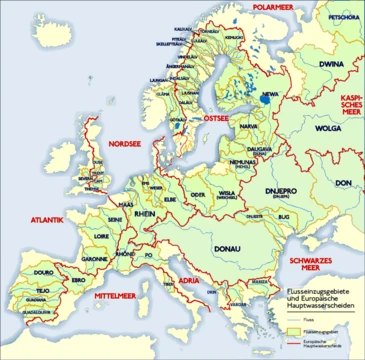
Oder
Central European river forming part of the Oder–Neisse line.

H Runge · CC BY-SA 4.0
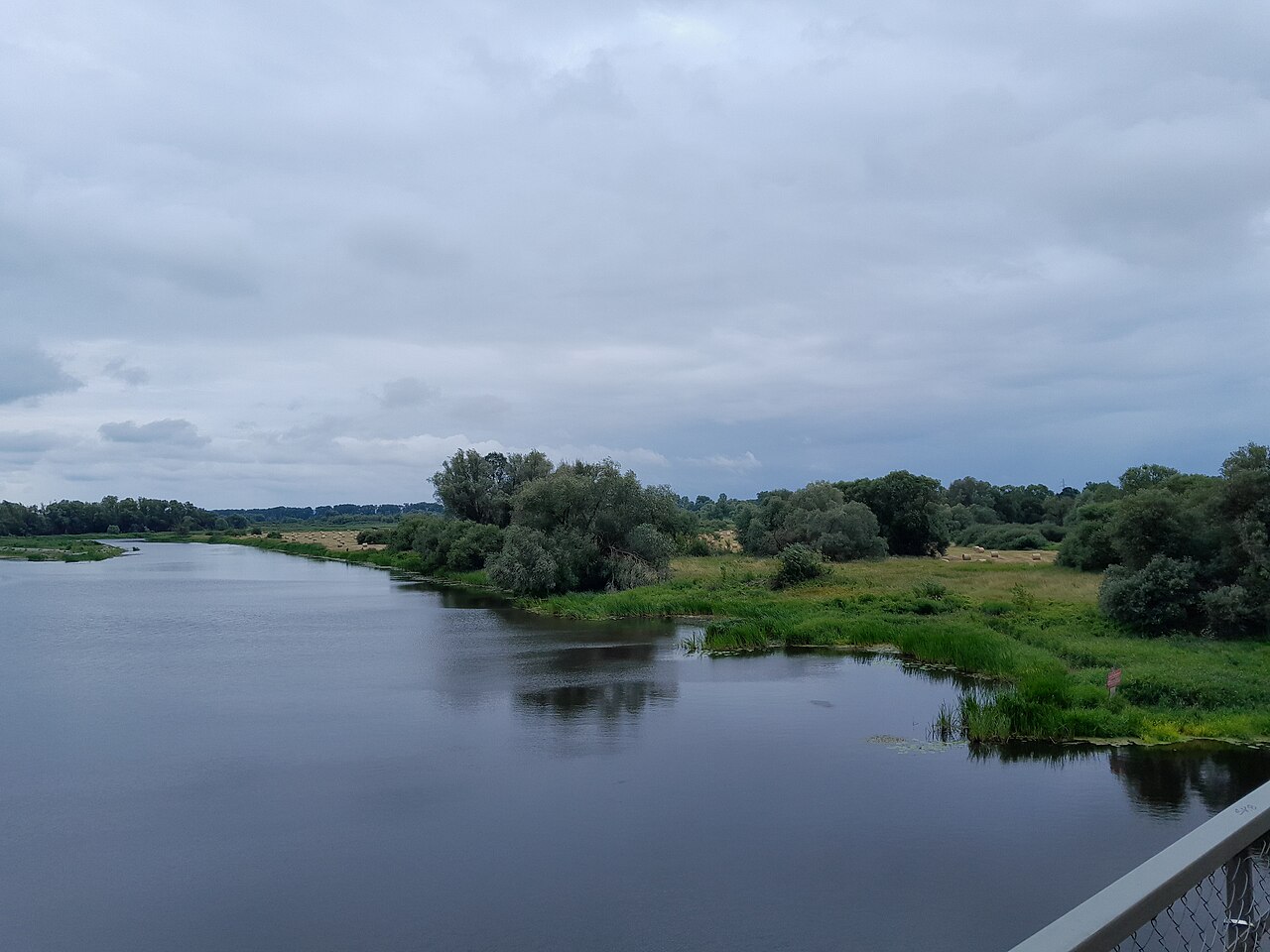
The Oder (OH-dər; Czech and Polish: Odra) is a river in Central Europe. It is Poland's second-longest river and third-longest within its borders after the Vistula and its largest tributary the Warta. The river ultimately flows into the Szczecin Lagoon north of Szczecin and then into three branches that empty into the Bay of Pomerania of the Baltic Sea.
- Length
- 840 km (522 mi)
- Countries
- Czech Republic, Poland, Germany
- Source
- Czech Republic
- Mouth
- Szczecin Lagoon → Baltic Sea
- Major city
- Wrocław
Lore & Background
The Oder is known by several names in different languages, including English and German: Oder; Czech, Polish, and Lower Sorbian: Odra; Upper Sorbian: Wódra; Kashubian: Òdra; Silesian: Ôdra; Medieval Latin: Od(d)era; Renaissance Latin: Viadrus. The origin of this name is said by onomastician Jürgen Udolph to come from the Illyrian word *Adra ('water vein'). Ptolemy knew the modern Oder as the Συήβος (Suebos; Latin: Suevus), a name apparently derived from the Suebi, a Germanic people. The name Suebos may be preserved in the modern name of the Świna river, an outlet from the Szczecin Lagoon to the Baltic. Channels connect it to the Havel, Spree, Vistula system and Kłodnica. It flows through Silesian, Opole, Lower Silesian, Lubusz, and West Pomeranian voivodeships of Poland and the states of Brandenburg and Mecklenburg-Vorpommern in Germany. The main branch empties into the Szczecin Lagoon near Police, Poland. Under Germania Magna, the river was known to the Romans as the Viadrus or Viadua in Classical Latin, as it was a branch of the Amber Road from the Baltic Sea to the Roman Empire. In Germanic languages, including English, it was called the Oder, written in medieval Latin documents as Odera or Oddera.
Reader's Guide
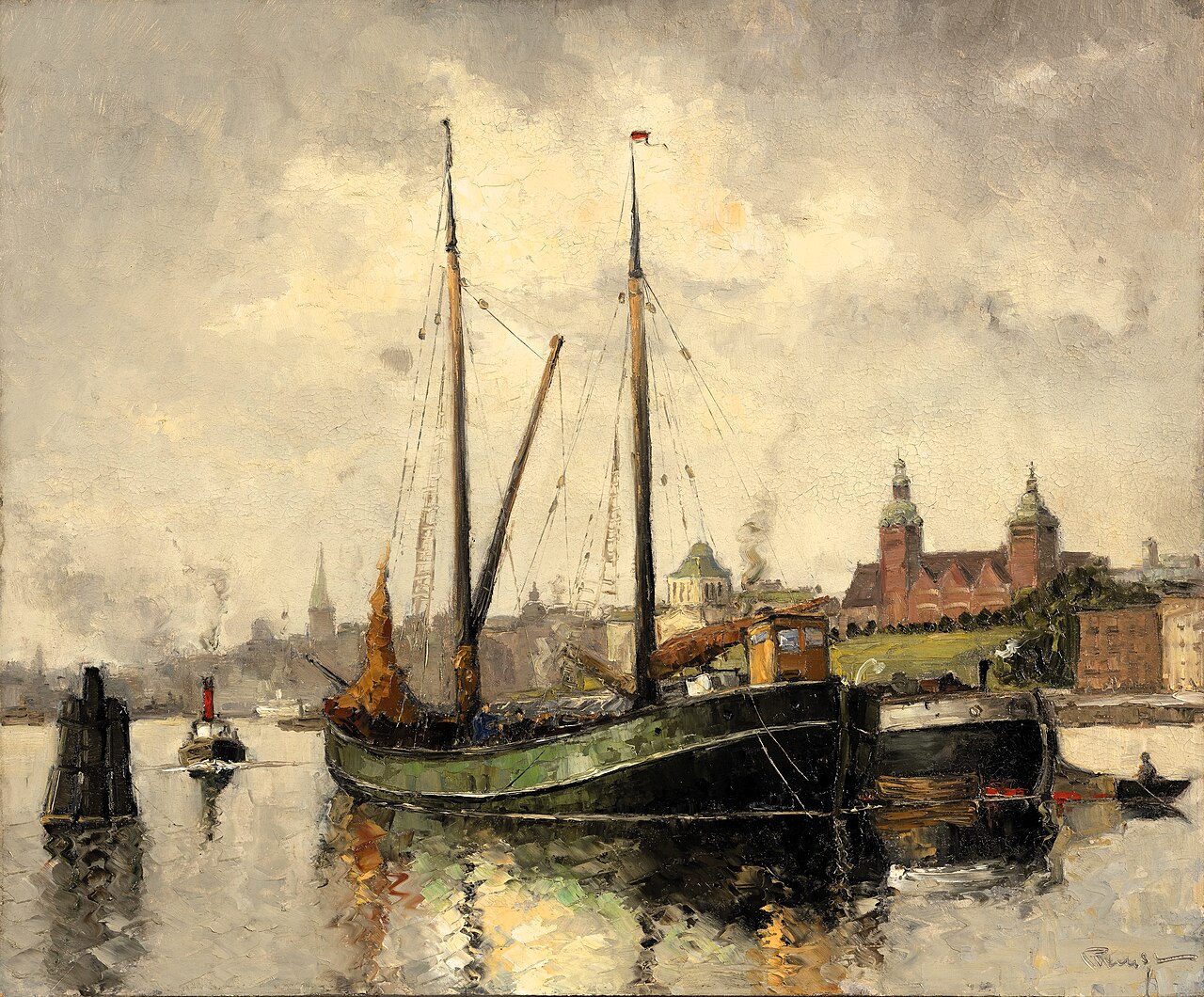
The Oder is significant as a major Central European river that has historically served as a trade route, a political boundary, and a key waterway. Its course has been central to the development of cities such as Wrocław, Opole, and Szczecin, which became important centers in medieval Poland. The river's role as a border was formalized after World War II with the Oder–Neisse line, which defined the new eastern border of Germany. The Oder is navigable over a large part of its total length, as far upstream as the town of Koźle, where the Gliwice Canal connects the river to the city of Gliwice. Canals such as the Oder–Spree Canal and the Oder–Havel Canal link it to Berlin and other waterways. The river's mouth at the Szczecin Lagoon and its three branches (Dziwna, Świna, and Peene) provide access to the Baltic Sea. The Treaty of Versailles made navigation on the Oder subject to an International Commission, and Czechoslovakia was entitled to lease a section of the harbor in Stettin (Szczecin). The river's basin spans three countries, and its tributaries include the Warta, Bóbr, and Lusatian Neisse. The Oder's historical and geographical importance continues to influence the region's economy and politics.
Did You Know?
- The Oder is Poland's second-longest river overall, but third-longest within its borders after the Vistula and Warta.
- Ptolemy knew the modern Oder as the Suebos, a name apparently derived from the Suebi, a Germanic people.
- The Oder–Neisse line formed the border between Poland and Germany after World War II.
Geography & Physical Course
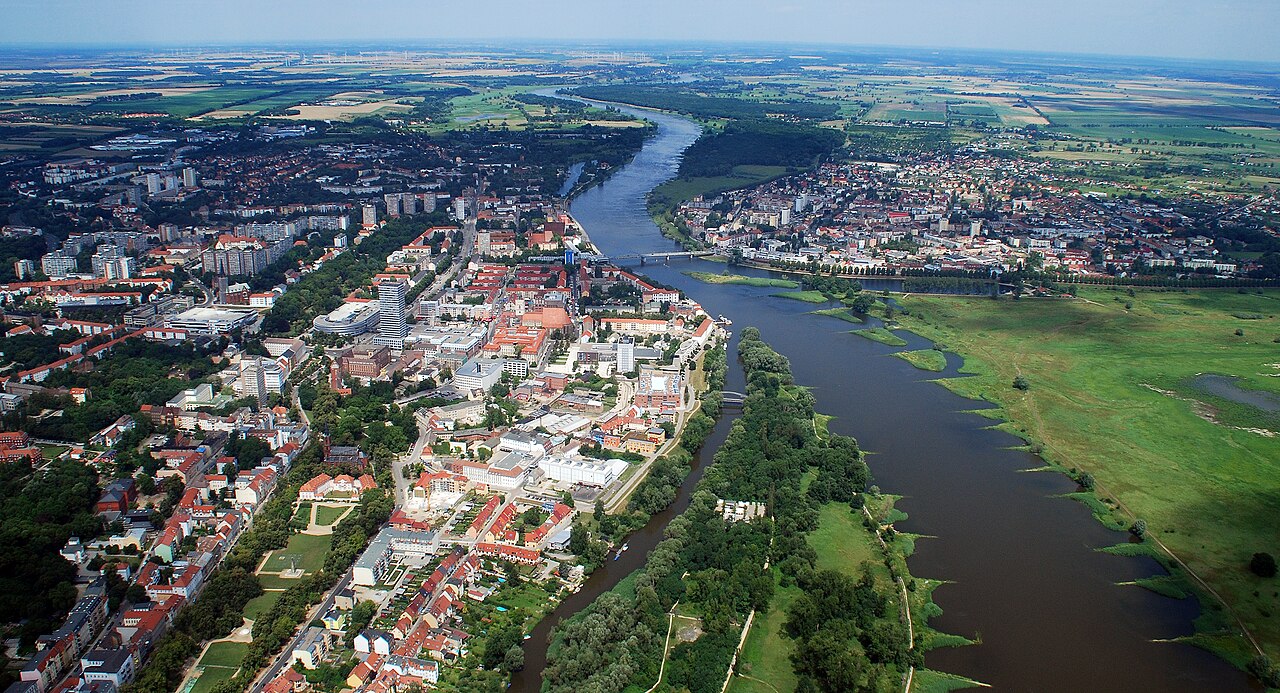
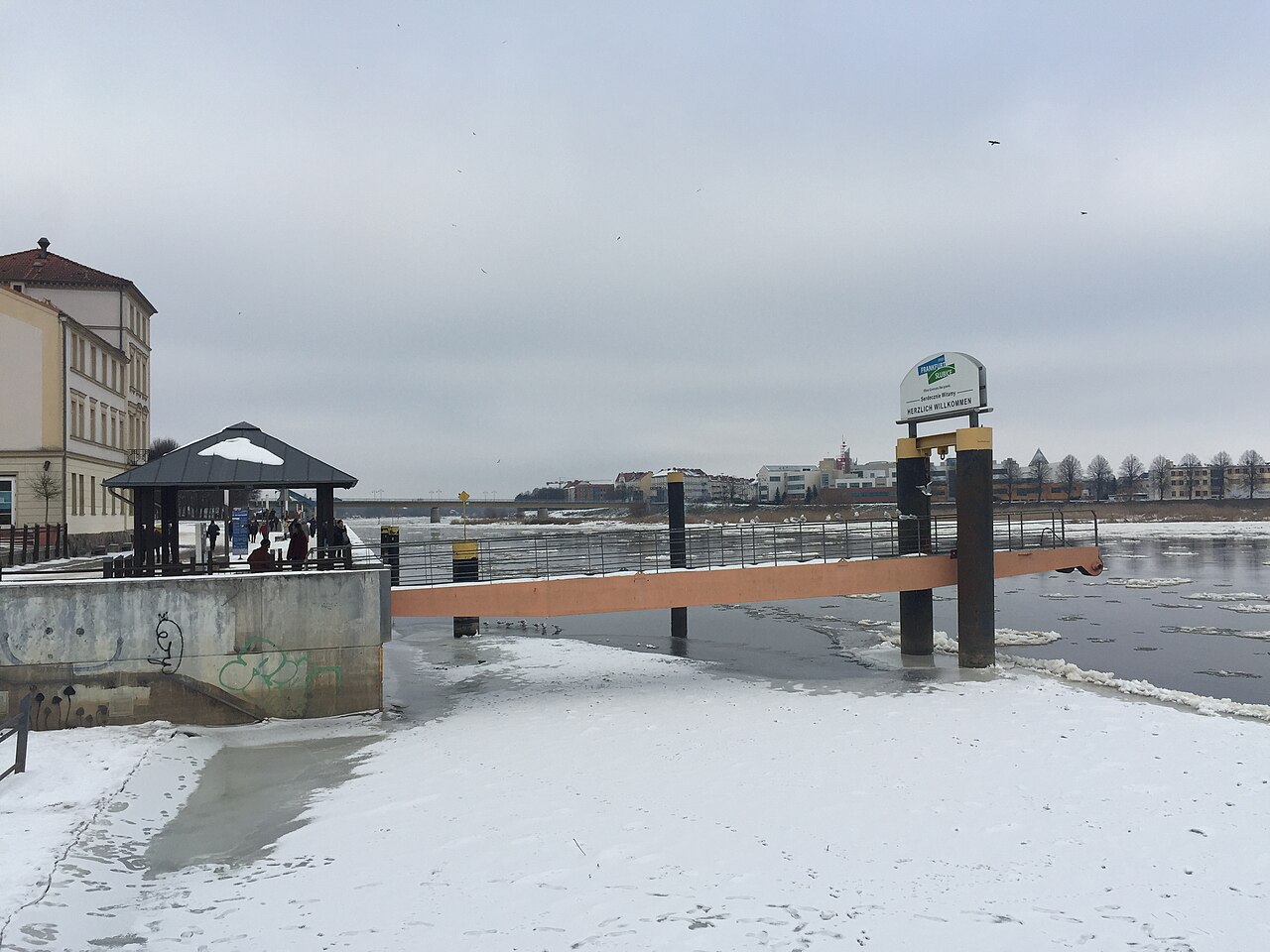
The Oder stretches 840 kilometres from its source in the Czech Republic to its final discharge into the Baltic Sea. Of that total, 112 kilometres run through Czech territory, while the remaining 726 kilometres thread through western Poland, a stretch that includes 187 kilometres serving as the international boundary between Poland and Germany along the Oder–Neisse line. The river's drainage basin covers roughly 119,074 square kilometres, the vast majority (89 percent) lying within Polish borders, with smaller portions in the Czech Republic and Germany. Its course passes through five Polish voivodeships—Silesian, Opole, Lower Silesian, Lubusz, and West Pomeranian—and two German states, Brandenburg and Mecklenburg-Vorpommern. The largest city it touches is Wrocław in Lower Silesia, and its path also threads past Ostrava, Opole, Frankfurt (Oder), and Szczecin. At its lower reaches the river empties into the Szczecin Lagoon, bounded by the islands of Usedom and Wolin, before splitting into three distributaries—the Dziwna, Świna, and Peene—that carry its waters into the Bay of Pomerania and ultimately the Baltic.
History & Cultural Significance
Long before Slavic peoples settled its banks, the Oder served as a vital commercial artery linking the Baltic coast to the Roman world via the Amber Road, and Roman geographers catalogued it under the Latin names Viadrus or Viadua. In the Germanic period, the river defined boundaries between tribal territories, and the Bavarian Geographer of around 845 recorded West Slavic groups such as the Opolanie, Lupiglaa, and Golensizi in Silesia, alongside the Wolinians and Pyrzycans in Western Pomerania. By the tenth century, nearly the entire river lay within the nascent Polish state, with only its source region remaining under Bohemian control. The 990 AD document Dagome iudex identified the Oder as part of Duke Mieszko I's western frontier. Medieval Poland flourished along its course: Opole became the capital of Upper Silesia, Wrocław rose to the status of a principal seat of the entire kingdom and hosted one of Poland's oldest Catholic bishoprics (founded 1000), and Lubusz—nicknamed "the key to the Kingdom of Poland"—gained its own bishopric in 1125. Near the mouth, Szczecin grew into a principal port of Pomerania.
Navigation & Waterway Infrastructure
The Oder remains one of Central Europe's most practically useful waterways. Its navigable stretch extends as far upstream as Koźle, where the Gliwice Canal links the river to the industrial city of Gliwice. In the upper reaches the channel is canalized, accommodating barges up to CEMT Class IV size around the Wrocław industrial zone. Below that section the river reverts to a free-flowing character, passing Eisenhüttenstadt—home to the Oder–Spree Canal that connects the Oder to the Spree and, by extension, Berlin's water network—and Frankfurt (Oder). Further downstream, the Warta provides a navigable link to Poznań and Bydgoszcz for smaller craft, while at Hohensaaten the Oder–Havel Canal re-joins the Berlin waterways. The river's terminus at Szczecin anchors one of the region's major maritime ports, and the final passage to the open Baltic runs through the Szczecin Lagoon and out via the Świnoujście mouth. Channels also connect the Oder basin to the Havel, Spree, Vistula system, and Kłodnica, making it a node in a broader inland-waterway network.
Names & Linguistic Heritage
The river's identity shifts subtly across the languages of its basin. In English and German it is simply Oder; in Czech, Polish, and Lower Sorbian it becomes Odra; Upper Sorbian renders it Wódra; Kashubian writes Òdra; and Silesian uses Ôdra. Medieval Latin documents spell it Od(d)era, while a Renaissance-era scholar who coined the Latin Viadrus in 1534 gave it a classical veneer. Onomastician Jürgen Udolph traces the name to an Illyrian root, *Adra, meaning "water vein." The ancient Greek geographer Ptolemy recorded the river as Suebos (Latin Suevus), a name apparently borrowed from the Suebi, a Germanic tribe. He also listed a nearby outlet as Ouiadoua (Latin Viadua or Vildua), which most likely corresponds to the modern Wieprza. The Suebos element may survive in the name of the Świna (Swine), the narrow channel between Wolin and Usedom islands that carries Oder waters into the Bay of Pomerania.
Gallery
Frequently Asked Questions
What is the Oder river in one sentence?
The Oder is a Central European waterway that originates in the Czech Republic, threads through western Poland, and eventually empties into the Baltic Sea via the Szczecin Lagoon.
How long is the Oder and which countries does it cross?
Stretching roughly 840 kilometres, the river flows through three nations: the Czech Republic (where it is born), Poland (where it spends most of its course), and Germany (along a shared border stretch).
Where exactly does the Oder discharge into the sea?
It first enters the Szczecin Lagoon just north of the city of Szczecin, then splits into three distributary channels that carry its water into the Bay of Pomerania, part of the Baltic Sea.
More in Rivers Of Europe 1-19
Spotted an error? Know more?
This is a living reference — every entry is fact-audited, and reader corrections feed straight into our audit queue. Suggest an edit · See this site's audit record