Meuse
Major European river flowing through France, Belgium, and the Netherlands.

MOSSOT · CC BY-SA 3.0
The Meuse or Maas is a major European river, rising in France and flowing through Belgium and the Netherlands before draining into the North Sea from the Rhine–Meuse–Scheldt Delta. It has a total length of 925 km (575 miles).
- countries
- France, Belgium, Netherlands
Lore & Background
After the battle, John ordered the drowning in the Meuse of burghers and noblemen in Liège whose loyalties he suspected.
Reader's Guide
The Meuse has been a key waterway for navigation, industry, and military strategy. Its lower Belgian portion, part of the sillon industriel, was the first fully industrialized area in continental Europe. In the late 19th and early 20th centuries, the connection between the Maas and Rhine was closed off, and the Maas was given a new artificial mouth—the Bergse Maas—reducing flood risk and considered the greatest achievement in Dutch hydraulic engineering before the Zuiderzee Works and Delta Works. The river is also the origin of Mosan art, and the first landscape painted in the Renaissance was the landscape of Meuse by Joachim Patinir.
Did You Know?
- The Afgedamde Maas was artificially dammed in the 1900s to separate the Maas and the Waal.
- Joachim Patinir, a Flemish Renaissance painter, often depicted the Meuse landscape in his works, but no single painting is titled 'The Landscape of Meuse'.
From Source to Delta: The River's Journey
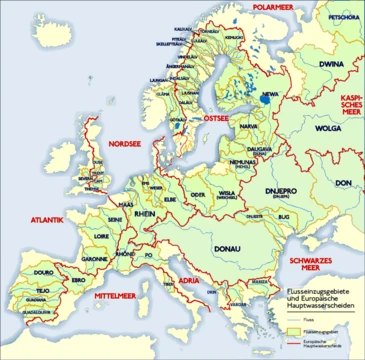
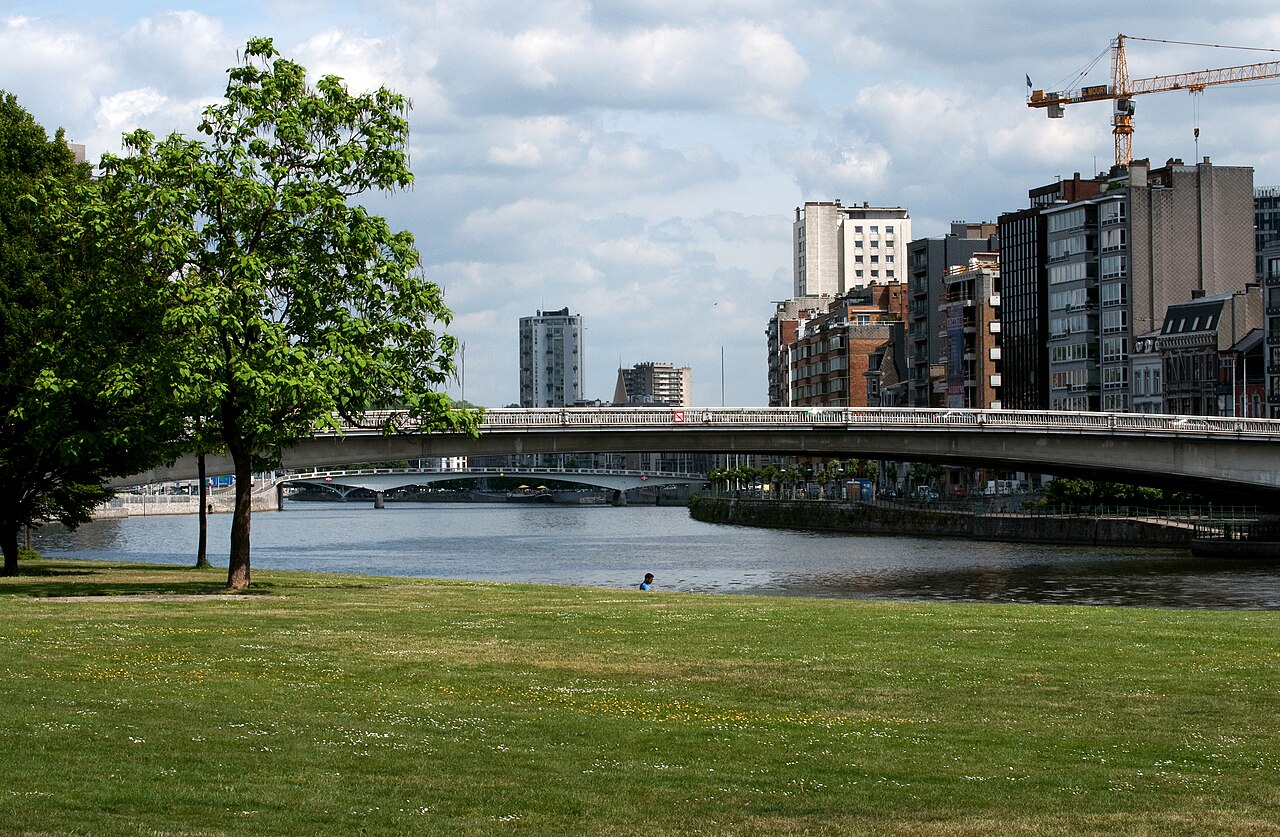
The Meuse begins its 925-kilometre journey on the Langres plateau in eastern France, specifically in the commune of Le Châtelet-sur-Meuse near Pouilly-en-Bassigny. From this modest headwater, the river heads northward, threading past the fortified town of Sedan—which marks the head of navigation—and Charleville-Mézières before crossing into Belgian territory. At Namur, the Sambre feeds into the Meuse, swelling its volume. Beyond this confluence the river swings eastward to Liège before making a decisive turn north. For a stretch it serves as the boundary between Belgium and the Netherlands, though at Maastricht the border shifts slightly west of the water. Entering Dutch territory, the Meuse runs through Venlo in close proximity to the German frontier, then bends westward to run parallel with the Waal. Here it becomes one thread in the vast Rhine–Meuse–Scheldt delta. Near Heusden the river splits: the right-hand Afgedamde Maas merges with the Waal at Woudrichem and continues as the Boven Merwede, while the left-hand Bergse Maas flows on as the Amer through De Biesbosch. Both arms ultimately reunite near Lage Zwaluwe to form the Hollands Diep, which divides into the Grevelingen and Haringvliet before emptying into the North Sea.
Borders, Battles, and Industry
For centuries the upper Meuse served as a political dividing line. Beginning in 1301, after Count Henry III of Bar was compelled to accept the western portion of his county—the Barrois mouvant—as a French fief under King Philip IV, the river roughly delineated the western edge of the Holy Roman Empire against the Kingdom of France. That boundary held with relative stability until the mid-sixteenth century, when Henry II annexed the Three Bishoprics of Metz, Toul, and Verdun in 1552, and again in 1633 when Louis XIII's forces occupied the Duchy of Lorraine. The river's history is also stained with violence: in 1408, after a Burgundian army under John the Fearless crushed a popular uprising in Liège, the duke ordered suspected disloyal burghers and nobles drowned in the water. In the modern era, the Meuse and its crossings became critical military objectives during the Battle of France, the Battle of Sedan, and the Battle of the Bulge in the winter of 1944–45. Meanwhile, the lower Walloon stretch formed part of the sillon industriel, the first fully industrialized corridor on the European continent.
Taming the Waters: Engineering and Navigation
The lower Meuse has been reshaped repeatedly by human intervention. In the late Middle Ages a catastrophic flood opened a channel linking the Maas to the Merwede at Woudrichem, creating what is now the Afgedamde Maas; the old main channel gradually silted up and survives today as the Oude Maasje. The most transformative project came in the late nineteenth and early twentieth centuries, when engineers sealed the connection between the Maas and the Rhine and gave the river a new artificial outlet, the Bergse Maas. This separation was hailed as the greatest Dutch hydraulic achievement before the Zuiderzee Works and the Delta Works, dramatically reducing flood risk. The former main branch received its current name after a dam was completed at its southern inlet in 1904. Navigation remains central to the river's identity: in Belgium and the Netherlands it links the port complexes of Rotterdam, Amsterdam, and Antwerp with upstream industrial centres such as 's-Hertogenbosch, Venlo, Maastricht, Liège, and Namur. An unnavigable stretch between Maastricht and Maasbracht is circumvented by the 36-kilometre Juliana Canal, while south of Namur the canalized Meuse—renamed the Canal de la Meuse—stretches 272 kilometres and accommodates small commercial barges of roughly 40 metres in length.
Names, Fossils, and Shared Stewardship
The river's name carries deep linguistic roots. The French "Meuse" descends from the Latin Mosa, which in turn traces back to a Proto-Celtic form *Mosā, likely sharing a root with the English word "maze"—a fitting allusion to the river's winding course. The Dutch "Maas" follows a separate Germanic lineage, passing through Middle Dutch Mase and an unattested Old Dutch *Masa from Proto-Germanic *Masō; modern Dutch, German, and Limburgish all preserve this Germanic variant. The shift from an earlier o to a is a hallmark of Germanic phonology, confirming that the two naming traditions are independent. Beyond language, the Meuse has left a mark on natural history: the Cretaceous sea reptile Mosasaurus takes its name from the river, after the first fossils were unearthed near Maastricht in 1780. The river also inspired the 2012 documentary The River People by Xavier Istasse. In 2002, France, Germany, Luxembourg, the Netherlands, and Belgium—along with the Belgian regional governments of Flanders, Wallonia, and Brussels—signed an international management agreement in Ghent, underscoring the basin's shared, transnational character.
Gallery
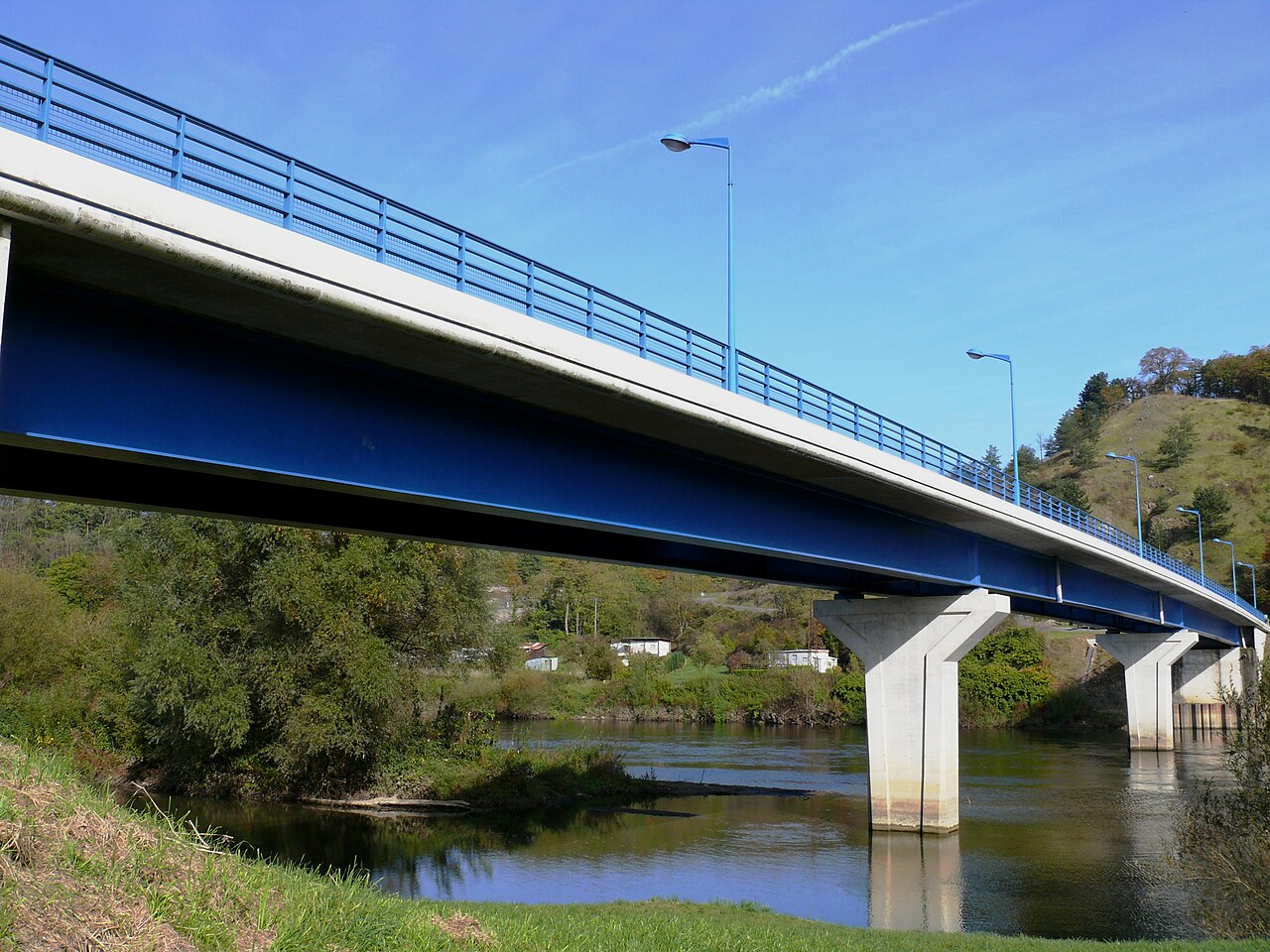
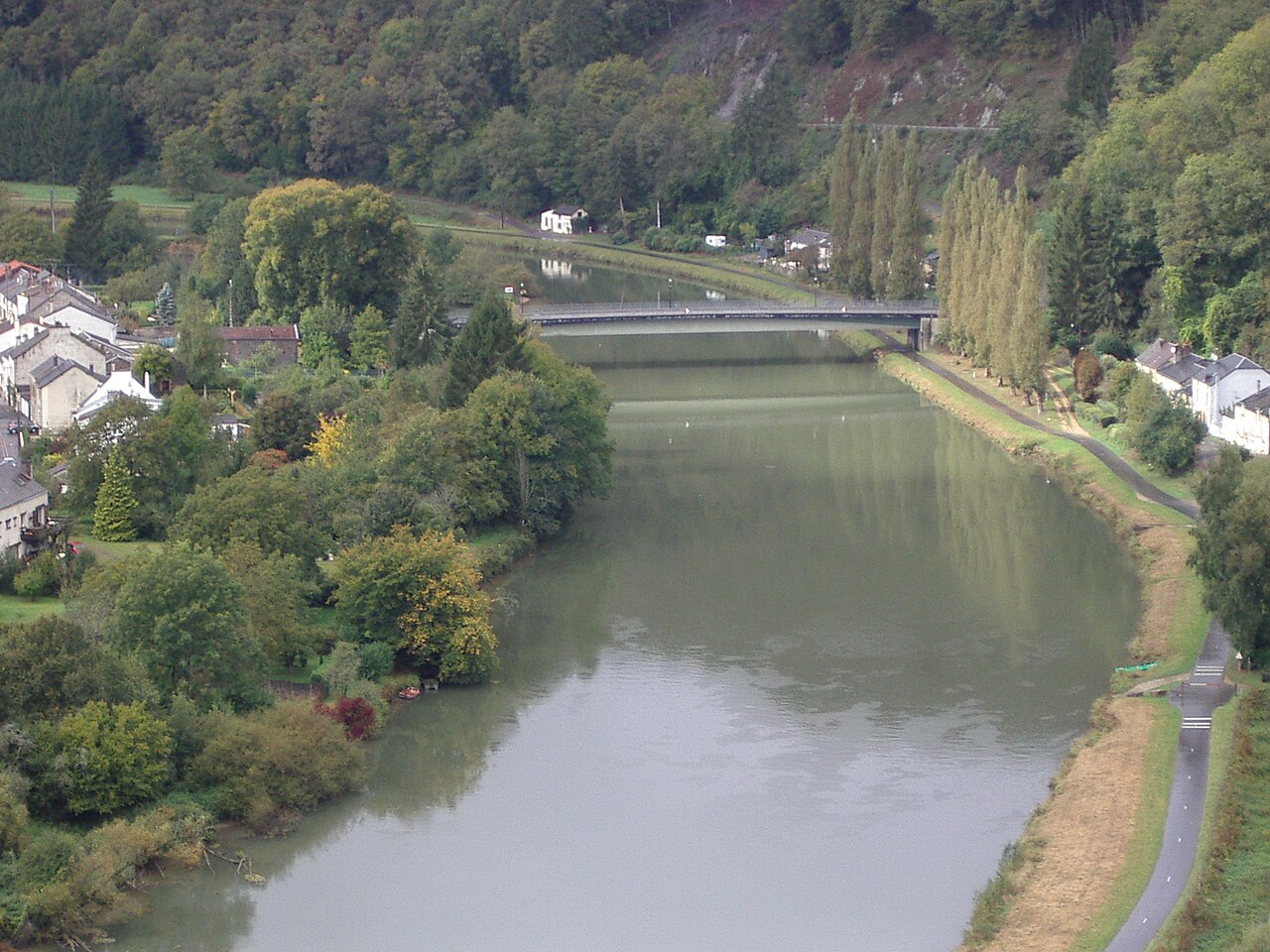
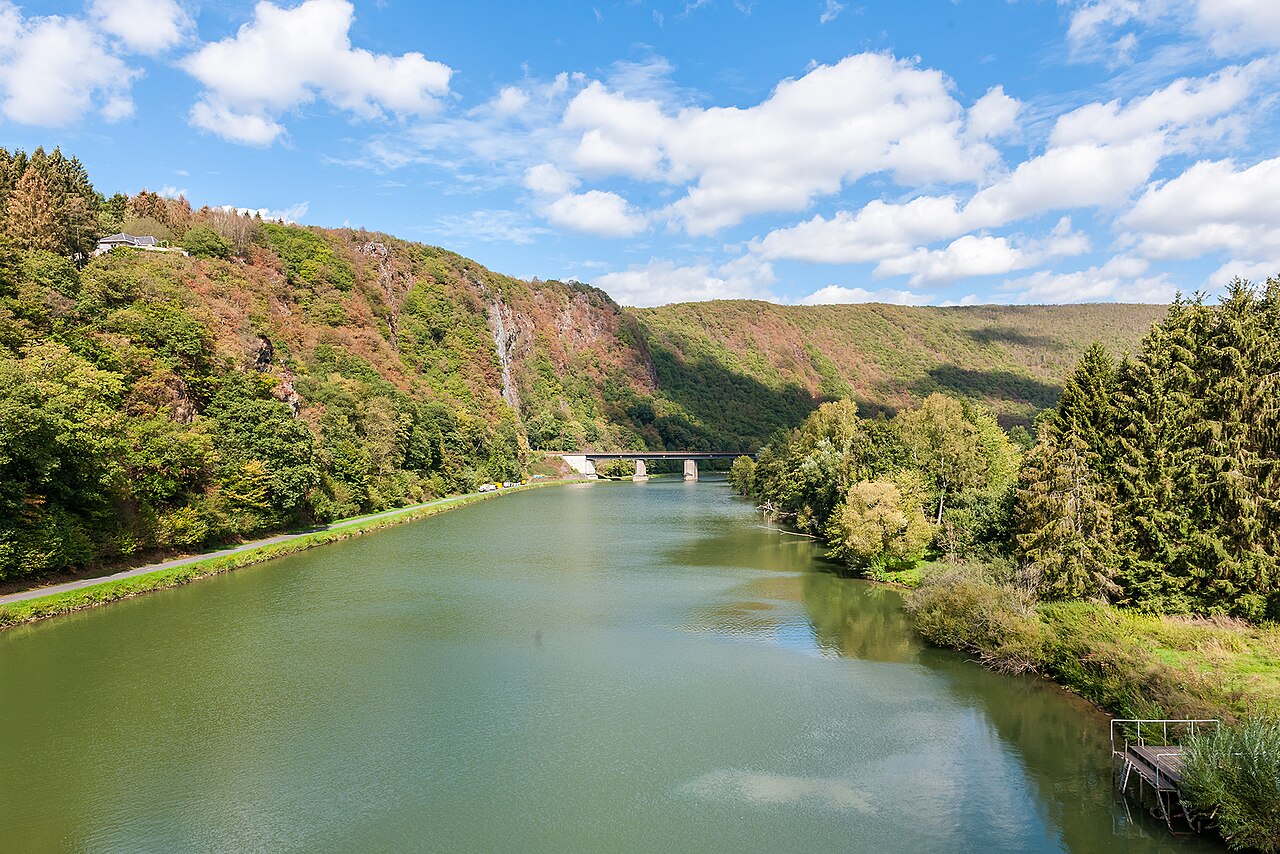
Frequently Asked Questions
What are Meuse's powers/role?
The Meuse functions as a critical transport artery and water source linking three nations, and its lower Belgian stretch earned the distinction of being the first fully industrialized region on the European continent. Today it remains a backbone for shipping, energy, and agriculture across the basin.
How does Meuse's story end?
The Meuse reaches its final act in the Netherlands, where it empties into the North Sea through the shared Rhine–Meuse–Scheldt Delta. This delta marks the conclusion of its 925-km journey from the French uplands.
Where does Meuse live?
The Meuse calls three countries home: it is born in France, spends a long middle chapter threading through Belgium, and finishes its run in the Netherlands before meeting the sea. Its drainage basin spans all three nations.
More in Rivers Of Europe 1-19
Spotted an error? Know more?
This is a living reference — every entry is fact-audited, and reader corrections feed straight into our audit queue. Suggest an edit · See this site's audit record